People walk into our shop, look at the wall of teas, and say some version of the same thing: “That looks amazing, but I have no idea what I’d do with it.”
Here’s the good news. Steeping loose-leaf tea sounds fancy, but it’s simpler than making a pot of coffee. You need three things: a tea you like, something to hold the leaves, and a way to watch the clock. That’s it. No special training, no expensive equipment, no secret handshake.
If you’ve only ever had grocery-store tea bags, loose-leaf will surprise you. Bagged tea is usually made from the tiny broken bits left over after the good leaves are sorted out. Whole leaves have room to unfurl and release flavor, which is why the same “black tea” can taste like two different drinks.
How Much Tea Should I Use?
Start with 1 teaspoon of tea leaves for every 8 ounces of water. That’s your baseline.
- 8-ounce cup = 1 teaspoon
- 12-ounce mug = 1½ teaspoons
- 16-ounce travel tumbler = 2 teaspoons
Here’s the part people forget: this is a starting point, not a law. Tea is supposed to taste good to you. Too strong? Use a little less next time. Thin and watery? Add a little more. After three or four cups of a new tea, you’ll stop measuring altogether.
How Hot Should the Water Be?
This is the step that makes the biggest difference, and it’s the one almost everyone skips.
Some teas are more delicate than others. If the water is too hot, the leaves get scorched and your cup turns bitter — not because you bought bad tea, but because the water was too hot. Here’s a general guide:
| Type of Tea | Water Temperature |
|---|---|
| White tea | 160–185°F |
| Green tea | 170–185°F |
| Oolong tea | 185–205°F |
| Black tea | 205–212°F |
| Pu-erh tea | 205–212°F |
| Herbal, rooibos, and fruit teas | 212°F (full boil) |
Don’t own a thermometer? You don’t need one. Bring your water to a boil, then take it off the heat and let it sit. Roughly:
- 30 seconds of cooling ≈ oolong range
- 1–2 minutes ≈ green tea range
- 2–3 minutes ≈ white tea range
Green tea is the one worth watching. If you’ve tried it and decided you didn’t like it, there’s a good chance you were drinking boiled-water green tea. Try it again around 175°F, it may taste like a different plant.
How Long Should I Steep It?
There are only two rules here, and they depend on whether your tea comes from the actual tea plant.
Teas from the tea plant– white, green, black, oolong, and Pu-erh, should steep for no longer than 4 to 5 minutes. Past that, they get bitter. Set a timer, because “I’ll just eyeball it” is how a good cup goes wrong.
Teas that aren’t from the tea plant– fruit blends, rooibos, herbal blends, chamomile, peppermint, can steep much longer, anywhere from 5 to 30 minutes, depending on the blend. They won’t turn bitter the way true teas do; some actually taste better after ten minutes.
When your time is up, take the leaves out of the water. Leaving them in means your tea keeps getting stronger and more bitter while you drink it.
Can I Use My Keurig®?
Yes, with one catch. A Keurig® or similar machine is a great way to get hot water fast, but you still need a strainer sitting in your cup. Some machines have a reusable filter basket you can fill with loose leaves, and that will not work for tea, the water rushes through in a few seconds. Tea needs to soak, not sprint.
So: run hot water into your mug, add your strainer full of leaves, and set your timer. Easy.
Can I Reuse My Tea Leaves?
Absolutely, and this is where good loose-leaf tea pays for itself. A quality tea can be steeped several times, and later cups often taste different from the first (many oolongs get sweeter around cup two or three). How many times? It varies by tea and by taste. Keep re-steeping until it tastes flat to you, then write that number down for next time.
Two safety notes, and these matter:
- Don’t let used leaves sit out more than two hours between steeps. Good tea has no preservatives, so wet leaves at room temperature grow bacteria and mold fast.
- Don’t store used leaves in the fridge overnight. Same reason. Once they’re wet, the clock is ticking.
Can’t drink that many cups in one sitting? Brew all your steeps back to back, pour them into a pitcher, and refrigerate the tea (not the leaves). It keeps about two days, drink it over ice or reheat it.
What Kind of Strainer Should I Use?
There are hundreds of options out there. Here are the main ones:
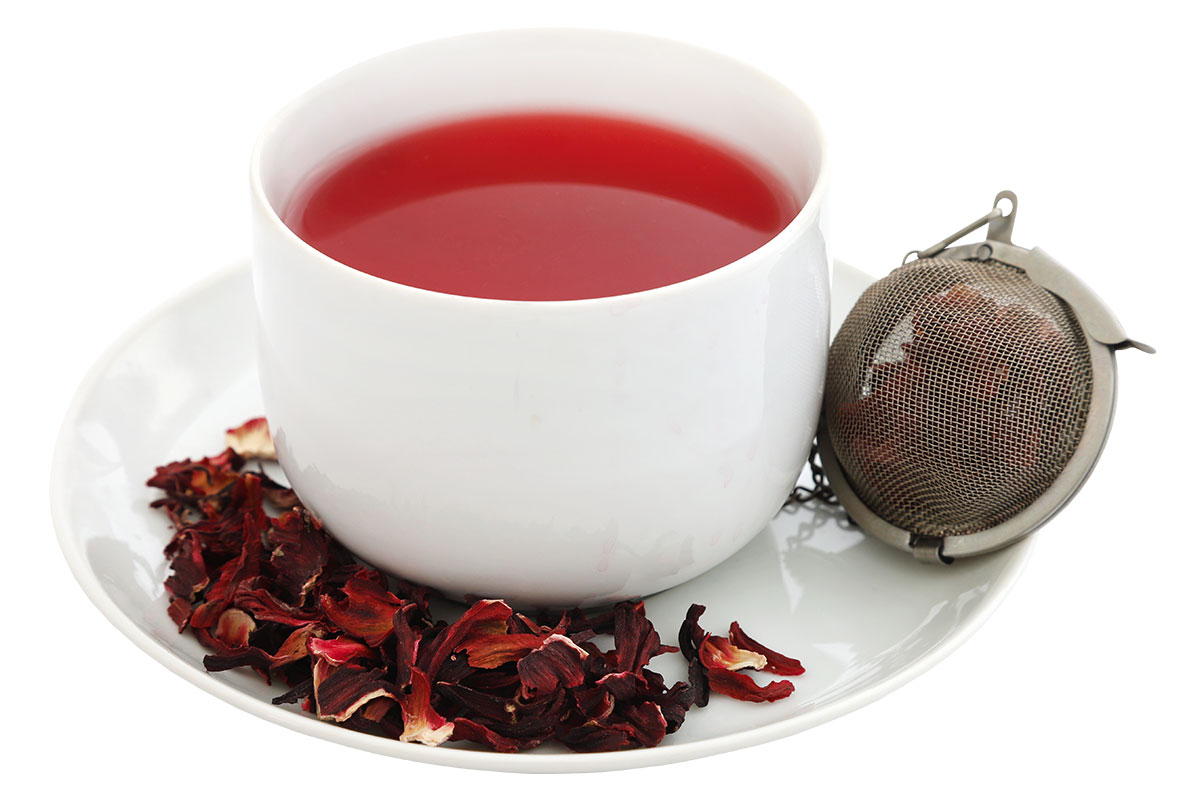
Tea ball (or tea egg). A mesh ball on a chain that you fill and drop in your cup. Cheap, simple, fine for most teas. One warning: small tea balls are a bad match for oolong or fruit tea, which swell to many times their original size. Cramped leaves can’t unfurl, so you get a weak cup.
Tea basket. A roomy mesh basket that sits on the rim of your mug. This is the one we recommend most often for beginners, it’s easy, it’s cheap, and there’s plenty of space for leaves to expand.
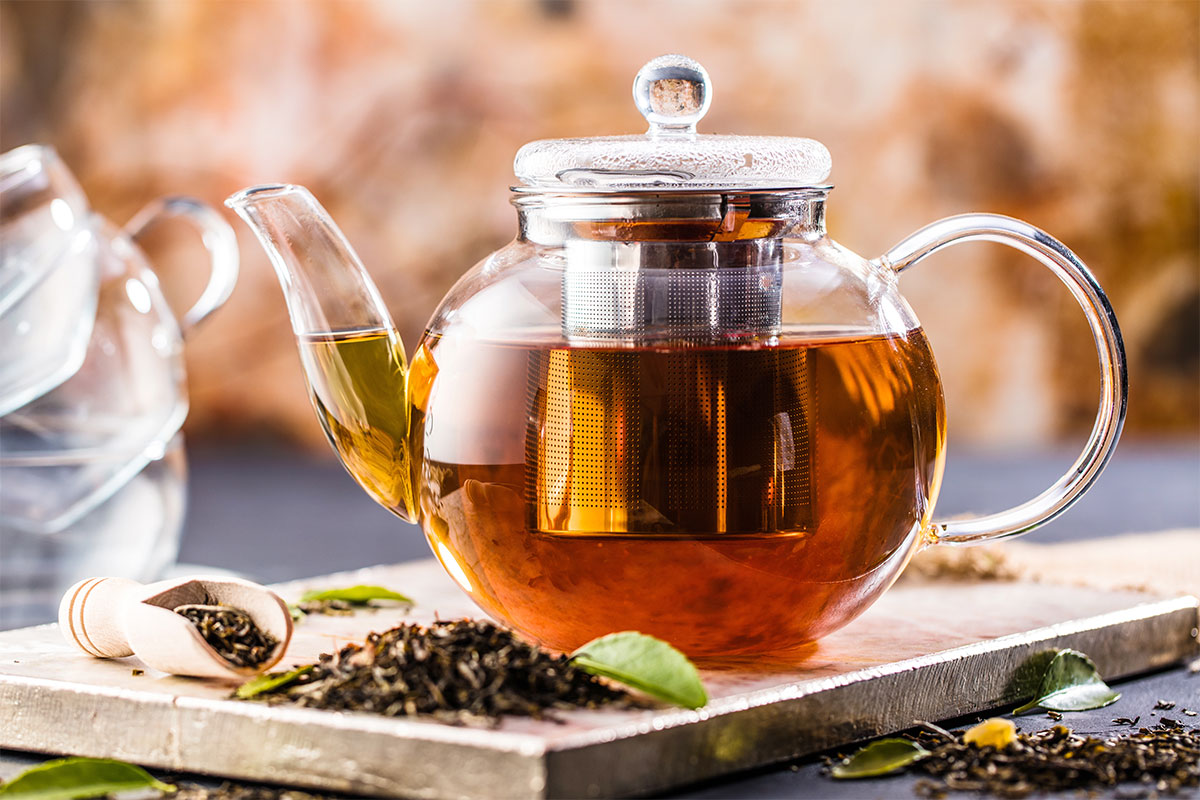
Loose-leaf teapot. Many teapots have a built-in strainer that catches the leaves as you pour. Perfect for a bigger batch, whether that’s a slow Saturday morning or company coming over.
French press. Yes, really. If you already own one for coffee, you own a tea brewer. Just wash it thoroughly first, or your green tea will taste faintly like breakfast blend.
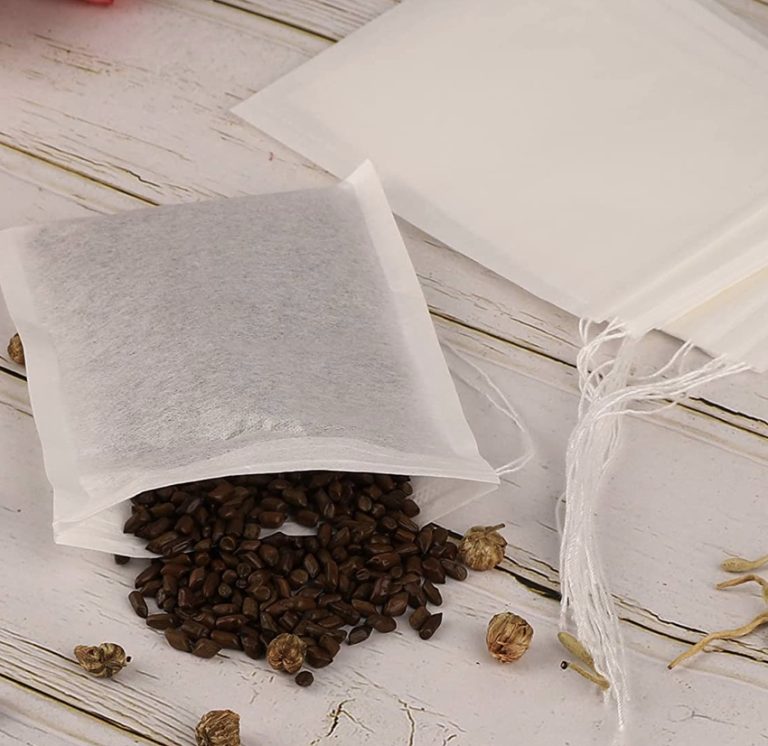
Fill-your-own tea bags. Empty disposable bags you fill yourself. Great for travel, dorms, and the office, just check that the brand doesn’t use plastic or questionable chemicals.
Come Find Your Tea
The best way to find what you like is to try a few things and pay attention. Start with one tea that sounds good to you, brew it a couple of ways, and go from there.
If you’re near Branson, Missouri stop into the shop, smelling a tea beats reading about it, and we’re happy to walk you through the teas we have. Farther away? Browse the site and pick two or three that catch your eye. Grab a basket strainer while you’re at it, and you’re set.
You’re about four minutes away from a really good cup of tea.